Emergency manual for coordinated hazard response in Berlin



The Project
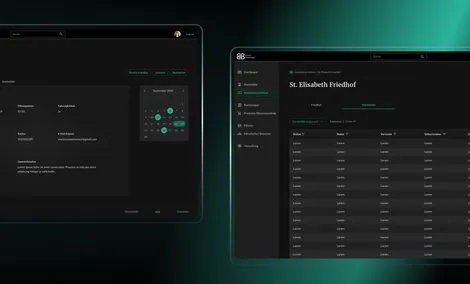
The goal of the project was to develop a central platform for managing contacts, organisations and procedures. The system supports the collaboration and coordination of all responsible parties in Berlin.
As an operator of critical infrastructure, the Berliner Feuerwehr places the highest demands on availability, data protection and access control, coordinated across a large group of users spanning multiple authorities. On 31 March 2026, the Berlin Senate Chancellery presented the Notfallhandbuch as a module within the Lagebild Berlin situational picture.

The Challenge
The focus was on defining and clearly providing processes and procedures for emergencies. All necessary information had to be quickly findable and unambiguously assigned, including accessible and fail-safe access. Added to this was a large group of users spanning multiple authorities, whose access had to be controlled cleanly.
The Solution
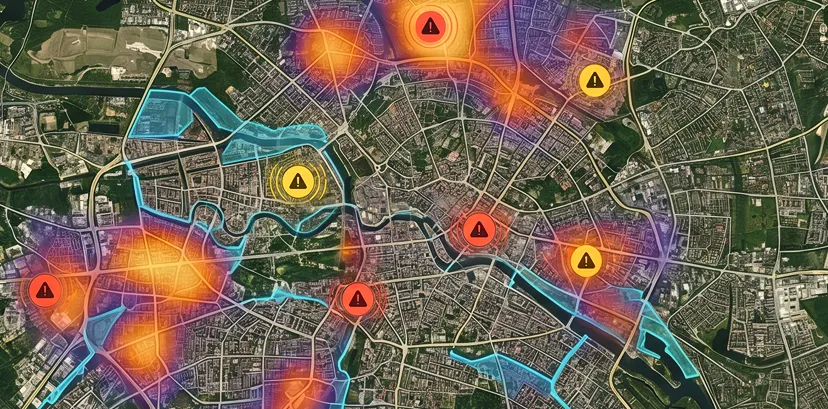
A robust, easy-to-use platform with clear roles and reporting modules that keeps processes, contacts and responsible officers up to date and enables targeted alerting in an emergency. Integrated geodata based on ArcGIS Enterprise places operational information directly on the map, and a fine role model controls who may view and maintain which plans.
Our Technologies
The system is built on Kubernetes and open-source technologies such as FrankenPHP, MySQL and Redis. This makes it scalable, resilient and reliable even under short-term peak loads. Hosting in Azure and the connection to the Berlin state intranet address the requirements for security and data protection.
Websockets enable the fast exchange of status information. Tests safeguard reliable operation. Data migration and the integration of ArcGIS Enterprise ensure seamless integration into the backend. With TailwindCSS, Blade and Livewire, the interface is accessible, clear and stable, and largely works without JavaScript. Development follows Scrum using Microsoft DevOps, enabling transparency, fast adjustments and close collaboration. A dedicated user manual, built as a searchable documentation site, accompanies the cross-authority rollout.



More projects